Why a Recovery and Repair Balm Belongs in Your Wellness Routine
After a long run, a hard workout, or even just a day spent standing on concrete, your body sends signals. Muscles ache. Joints complain. Skin feels tight, dry, or irritated. For years, my go-to was a tub of generic lotion and a bag of ice. It worked, barely. But the real shift came when I started paying attention to what I was putting on my skin and how those ingredients actually interact with the body's own recovery systems.
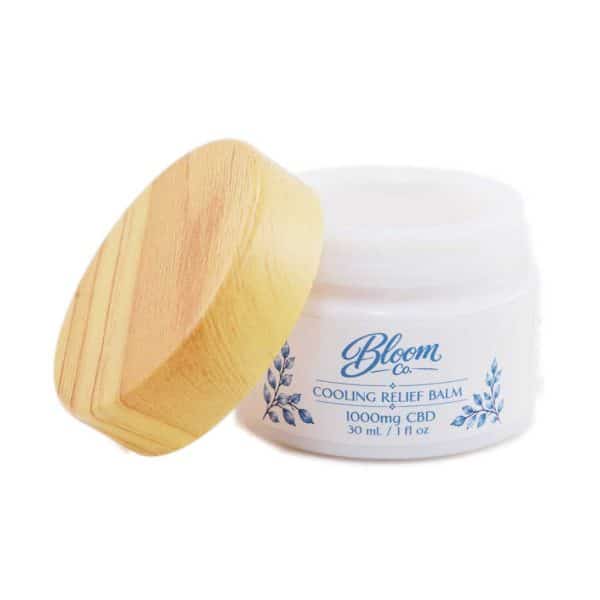
That is where the idea of a targeted topical comes in. Not just any cream, but something formulated with the specific goal of supporting both muscle recovery and skin repair at the same time. I have spent enough time testing products to know that most fall into one camp or the other. A balm that genuinely addresses both is rare. And that is exactly what a good recovery and repair balm aims to do.
What Makes a Balm Different From a Lotion
Lotions are mostly water and emulsifiers. They spread easily, feel light, and evaporate fast. Balms are the opposite. They are dense, oil-based, and designed to stay put. That staying power matters when you want active ingredients to actually absorb into the skin and reach underlying tissue. A recovery and repair balm typically uses a base of shea butter and coconut oil, both of which are rich in fatty acids that support the skin barrier. Shea butter in particular has a long history of use for soothing inflammation and supporting skin repair. Coconut oil adds antimicrobial properties and helps carry other ingredients deeper into the skin.
The texture takes some getting used to. It is thick. You warm it between your fingers before applying. But once you get past that, the payoff is noticeable. The balm sits on the skin long enough to do its job, rather than disappearing into a puddle of water and fragrance.
The Role of CBD in Recovery and Skin Health
CBD has become a familiar term in wellness circles, but its application in topicals is still underappreciated. When applied to the skin, CBD interacts with the endocannabinoid system, a network of receptors throughout the body that help regulate pain, inflammation, and cell regeneration. That is not marketing talk. It is basic biology. Hemp-derived CBD, when properly extracted and formulated, can help calm localized discomfort without entering the bloodstream in any significant way.
I have used a CBD balm after a particularly bad ankle twist. The difference between that and a standard anti-inflammatory gel was noticeable. The balm provided a sustained sense of relief that lasted hours, not minutes. It did not smell like a pharmacy either. That matters when you are already sore and just want to rest.
Kush Station, a retailer I have ordered from before, focuses on exactly this kind of product. Their approach centers on combining CBD with other complementary ingredients rather than relying on it alone. That makes sense. Cannabinoids work better when they are supported by a well-chosen base and additional botanicals.
Ingredients That Actually Help
A well-formulated recovery and repair balm should contain more than just CBD. Here are a few that consistently show up in the best products I have tested:
- Shea butter: deeply moisturizing, supports skin elasticity and repair.
- Coconut oil: penetrates the skin quickly, carries other ingredients, has mild antimicrobial effects.
- Epsom salt: sometimes included in balms for its magnesium content, which can aid muscle relaxation.
- Essential oils like lavender and peppermint: lavender helps with relaxation and sleep, while peppermint provides a cooling sensation that distracts from discomfort.
Peppermint oil in particular is a favorite of mine. It creates an immediate cooling effect that feels good on tired muscles. But it can be irritating in high concentrations, so a good balm keeps it balanced. Lavender, on the other hand, is gentle and adds a calming scent that works well for an evening aftercare routine.
When and How to Use a Recovery Balm
Timing matters. Applying a balm immediately after a shower, when pores are open and skin is warm, maximizes absorption. I usually target areas that took the most strain: shoulders after a heavy overhead press day, calves after a long hike, or the lower back after sitting in a car for hours. The balm acts as both a treatment and a signal to the body that recovery time has started.
Some people use it as part of a nighttime routine. A small amount massaged into the feet or hands before bed can help with localized discomfort that builds up during the day. I have also seen it work well for people who spend hours typing. The wrists and forearms take a beating. A balm with CBD and essential oils can provide relief that is more targeted than a pill.
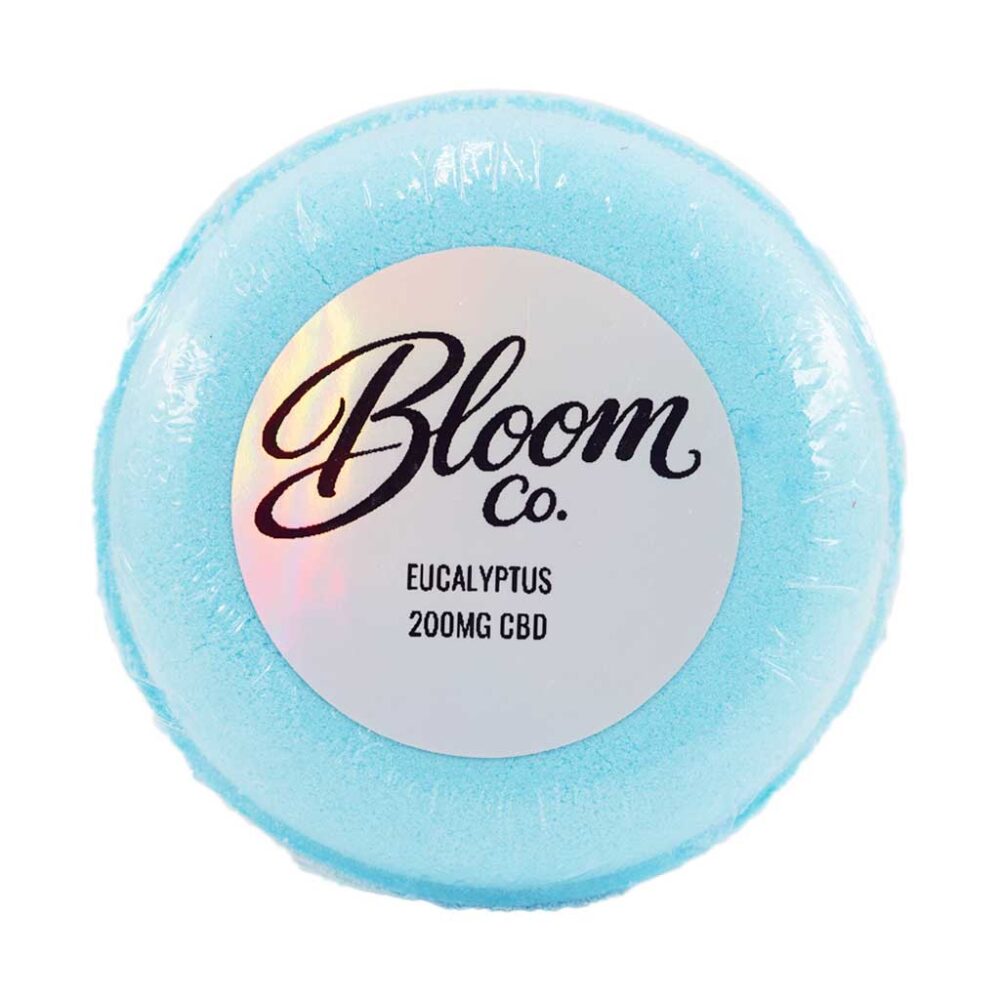
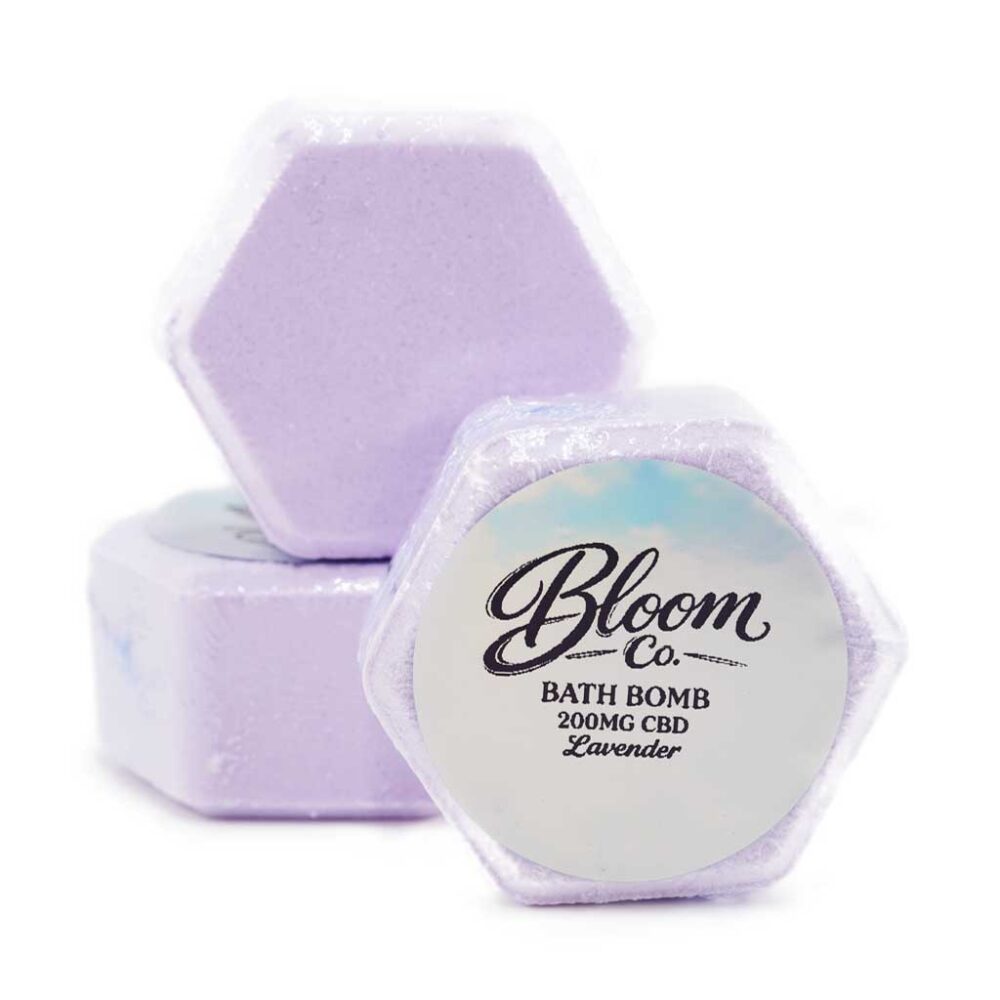
Bath bombs are another delivery method worth mentioning. A good bath bomb with Epsom salt and CBD can complement a balm by addressing larger muscle groups all at once. Kush Station carries both, and I have used them in tandem. A soak in a CBD-infused bath bomb followed by a targeted application of a recovery and repair balm on specific sore spots is a combination that works well for me.
Skin Repair and Aftercare
Recovery is not just about muscles. Skin takes a beating too. Dry air, sun exposure, frequent washing, and even workout gear can leave the skin barrier compromised. A balm that supports skin repair is not a luxury. It is practical aftercare. Ingredients like shea butter and coconut oil help restore moisture and reduce inflammation. When combined with CBD, which has been shown in studies to support the skin's ability to regulate oil production and cell turnover, the result is a product that serves two purposes at once.
I have used a recovery and repair balm on cracked knuckles during winter. It worked better than any hand cream I had tried. The balm stayed in place, did not wash off immediately, and the discomfort faded within a couple of days. That is the kind of real-world result that makes a product worth keeping on hand.
What to Look For and What to Avoid
Not all balms are created equal. Some are mostly wax and fragrance, with very little active ingredient. Others use synthetic additives that can irritate sensitive skin. Here is what I look for:
- A short ingredient list. Fewer ingredients usually means less filler.
- CBD from hemp that is third-party tested. Without that, you have no idea what you are actually getting.
- A base of shea butter or coconut oil rather than petroleum jelly.
- Essential oils used sparingly. Too much peppermint or citrus can cause stinging.
- No artificial fragrances or dyes. They add nothing and can cause reactions.
Price is not always an indicator of quality. Some expensive balms are mostly marketing. Some affordable ones are surprisingly effective. The best way to judge is to read the ingredient label and try a small amount first. Patch testing is not just for people with allergies. It is a good habit for anyone who plans to use a product regularly.
Final Thoughts on Building a Recovery Routine
A recovery and repair balm is not a magic solution. It is a tool. Used consistently and in combination with proper hydration, rest, and movement, it can make a real difference in how your body feels day to day. I keep one in my gym bag, one by the bed, and one in the car. That might sound excessive, but when you find something that works, you want it accessible.
The wellness space is full of products that promise more than they deliver. A good balm does not need to promise anything. It just needs to work. When it does, you will know. Your skin will feel better. Your muscles will recover faster. And you will wonder why you spent so many years using something that barely helped at all.